
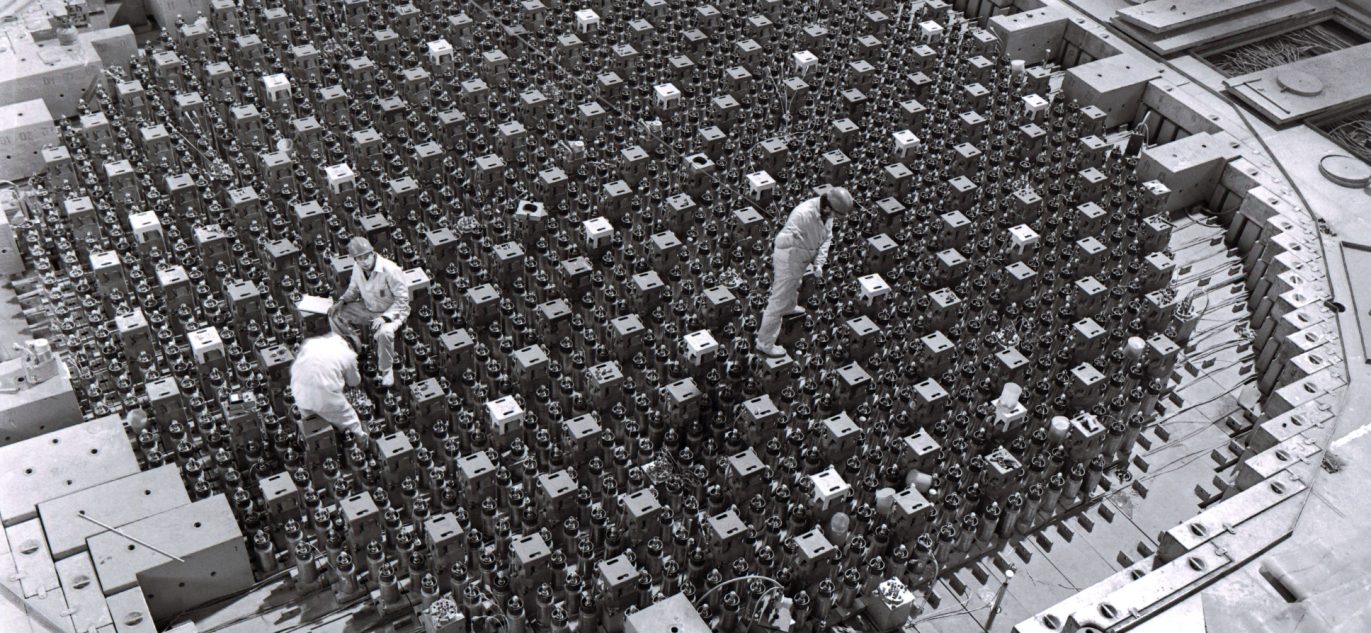
Our history

1974

preparatory work for the construction of the Ignalina Nuclear Power Plant began.

1978

In March 1978, earthworks for the construction of the first power unit commenced and were completed in September. By the end of the year, 5,067 people were working on the construction site.

1979

On 17 April 1979, the Council of Ministers of the USSR adopted a resolution permitting the commencement of the plant’s construction.
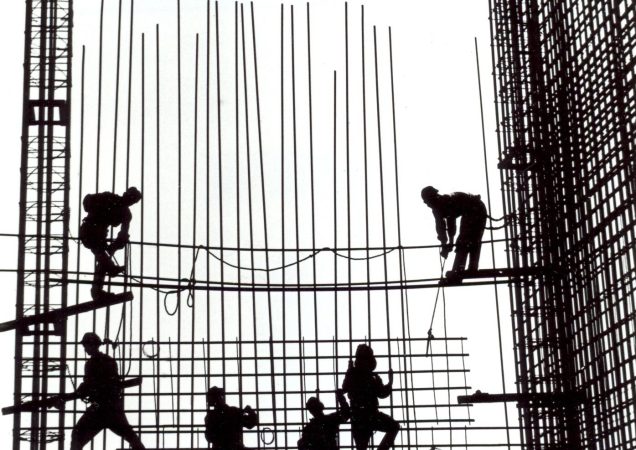
Statybų aikštelėje dirbantys darbininkai tarp metalinių armatūros konstrukcijų silueto fone.

1980

In September 1980, earthworks for the second unit were completed. Work progressed rapidly, and the number of construction workers increased continuously. By 1982, 11,286 people were working on the plant’s construction.

1983

On 31 December 1983, the first unit of the Ignalina Nuclear Power Plant was commissioned.

1986

On 26 April 1986, the Chernobyl accident occurred, which influenced the fate of the Ignalina Nuclear Power Plant and other RBMK-type nuclear power plants.
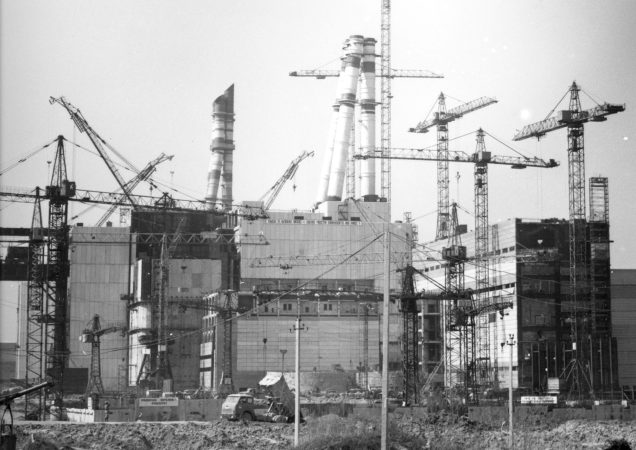
Istorinė nuotrauka – Ignalinos atominės elektrinės statybos aikštelė su daugybe kranų ir nebaigtais reaktorių pastatais.

1987

On 31 August 1987, the second unit of the nuclear power plant began operation.
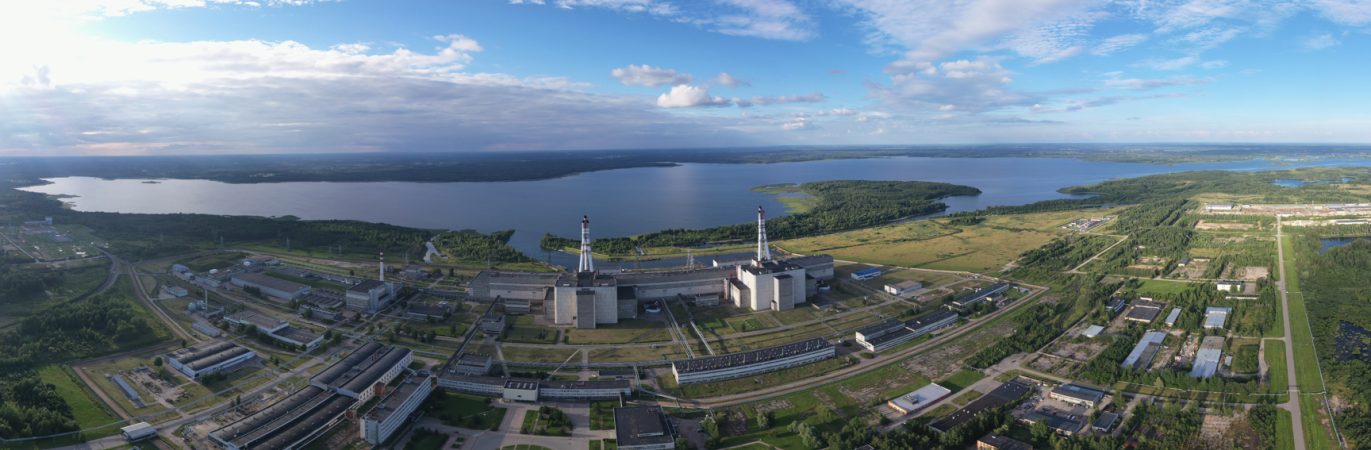
Ignalinos atominės elektrinės panoraminis vaizdas iš oro su matomais pastatais, dviem kaminų bokštais ir šalia esančiu ežeru.

1991

In 1991, the Republic of Lithuania, having taken the plant under its jurisdiction, became the thirty-first country in the world to use nuclear energy for electricity generation.

1993

In 1993, the nuclear power plant generated 12.26 billion kilowatt-hours, or 88.1% of the country’s electricity needs. This achievement was recorded in the Guinness Book of Records.

1999

In 1999, the ‘dry’ spent nuclear fuel storage facility was commissioned.

1999

In 1999, the National Energy Strategy stipulated that the first unit of the nuclear power plant would be shut down by 2005, taking into account the long-term and substantial financial assistance conditions of the European Union, other countries and international financial institutions.

2000

In 2000, the Seimas adopted the Law on the Decommissioning of Unit 1 of the Ignalina Nuclear Power Plant.
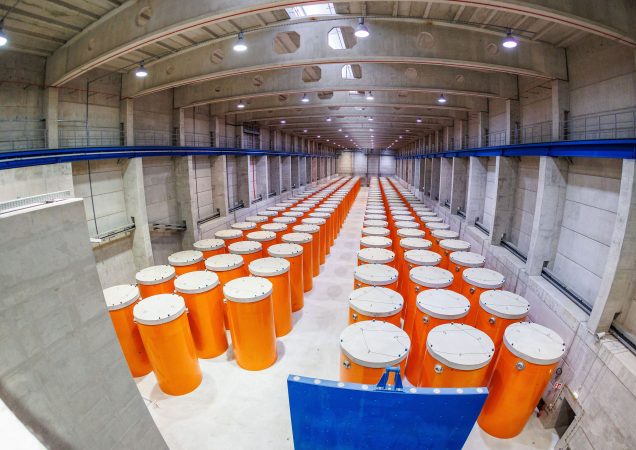
Ilga betoninė saugykla su eilėmis oranžinių konteinerių, skirtų radioaktyvioms atliekoms laikyti.

2002

The updated National Energy Strategy of 2002 stated that the second unit of the plant would be shut down in 2009, provided that funding sources and the necessary scale of financing, based on agreements with EU institutions and other donors, were secured.
2004

On 31 December 2004, following Government resolutions, the first unit of the plant was shut down. At the time of shutting down the first unit, the Ignalina Nuclear Power Plant employed 3,517 workers.

2009

On 31 December 2009, the second unit was shut down. At the time of shutting down the second unit, Ignalina Nuclear Power Plant employed 2,354 workers.

2017

In 2017, a new interim spent nuclear fuel storage facility was commissioned.
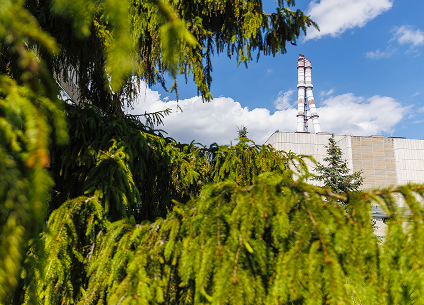
Ignalinos atominės elektrinės pastatas ir kaminai, matomi pro spygliuočių medžių šakas.

2022

In 2022, the final container with managed spent nuclear fuel was transported to the interim spent nuclear fuel storage facility.

2024

In 2024, Ignalina Nuclear Power Plant was issued a licence to carry out the decommissioning of reactors and older radioactive waste management facilities.