Altra launches international tender for the dismantling of the Ignalina Nuclear Power Plant reactor cores
For suppliers
Altra has launched an international tender for the design and dismantling of the reactor cores of both Ignalina Nuclear Power Plant reactors. This is the most important and technically demanding stage of the entire decommissioning megaproject. Lithuania will become the first country in the world to dismantle RBMK-1500 nuclear reactors.
“The dismantling of the Ignalina Nuclear Power Plant reactor cores is an unprecedented project that no country in the world has yet undertaken. Lithuania will become the first country to dismantle RBMK-1500 reactors, and the experience we gain together with the technological solutions we develop will provide valuable knowledge for other countries facing similar challenges in the future. This is further proof that Lithuania is capable of delivering some of the world’s most complex nuclear decommissioning projects while maintaining the highest safety standards,” says Acting Minister of Energy Žygimantas Vaičiūnas.
The tender covers the entire project implementation cycle, including dismantling enginnering, licensing, the supply of specialised dismantling equipment, dismantling of the reactor cores of both reactors, and radioactive waste management.
“This tender is an invitation to the international nuclear community to contribute to a project that has never before been undertaken anywhere in the world. We look forward to attracting internationally experienced companies and working together to deliver one of the world’s most complex nuclear reactor dismantling projects,” says Head of “Altra” Linas Baužys.
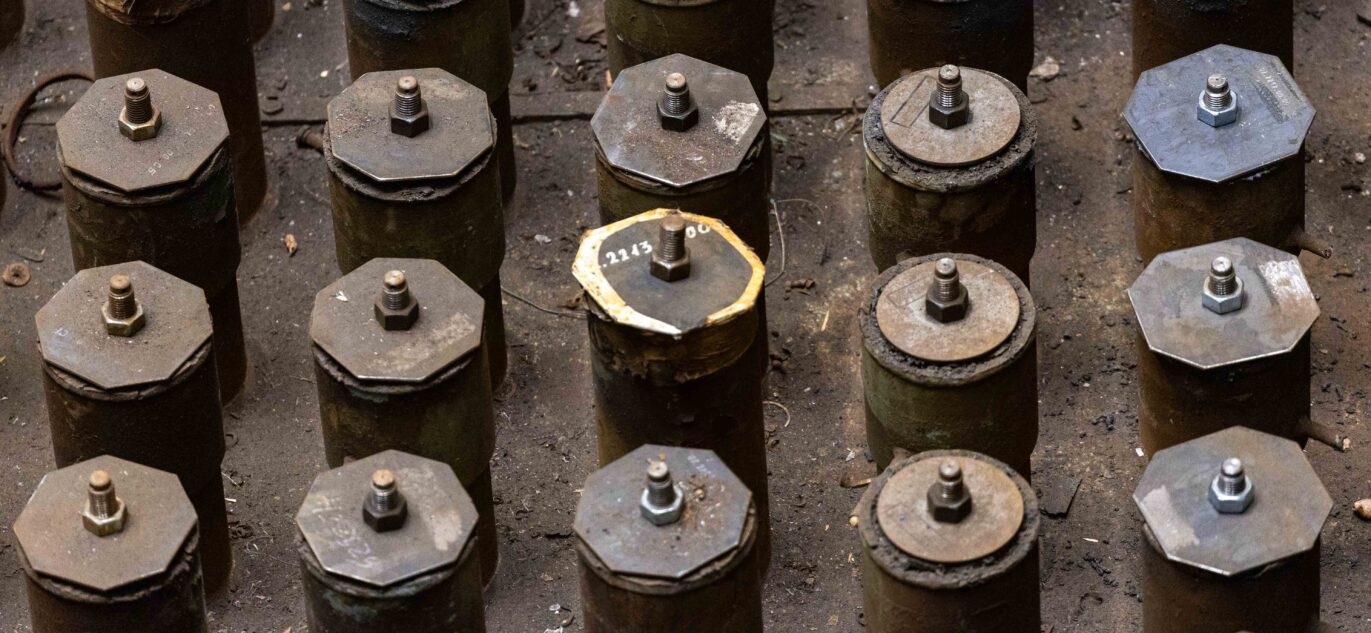
The reactor cores – the central parts of the reactors, also referred to as the R3 zones – comprise the graphite stack, the surrounding structures and their filler materials. The cores are located in shafts measuring 21 × 21 metres in cross-section and 25 metres in depth.
In total, approximately 25,000 tonnes of materials will be dismantled across both reactors. A significant proportion of the materials in these zones consists of long-lived radioactive waste, making the dismantling process dependent on specialised technological solutions, international expertise, and the strictest nuclear and radiation safety requirements.
The tender is being conducted in two stages through the European Bank for Reconstruction and Development (EBRD) Electronic Procurement Portal (ECEPP). In the first stage, participants will submit technical proposals, followed by financial proposals in the second stage. The contract is expected to be awarded in 2027. From the date the contract enters into force, the project is expected to take approximately 16 years to complete.
The estimated contract value is approximately EUR 400 million. The project is financed by the European Commission through the Ignalina International Decommissioning Support Fund (IIDSF), administered by the European Bank for Reconstruction and Development (EBRD).
Technical proposals from tender participants may be submitted until November 5. Detailed tender documentation is available on the ECEPP platform. It can be accessed here.